
6 powerful reasons why mental performance matters
Billy realizes that though he has prepared physically, he hasn’t spent nearly enough time preparing mentally.

Meet Billy. Billy is a 15-year-old hockey player who has already devoted countless hours to the game. He has a natural feel for the puck on his stick, a fluid stride on the ice, and a genuine love for the sport. During practice, he consistently shines, impressing both teammates and coaches.
But in games, especially the ones that matter, his performance slips.
In the final seconds of a playoff match, Billy hesitates. He has a clear shot to tie the game. The goalie is off-balance, and the path is wide open. The pressure swells in his mind. His hands begin to tremble on the stick. Fans cheer from the bleachers. His parents look on with hopeful eyes. In that pivotal second, fear eclipses his confidence, and he shoots wide. The buzzer sounds. Billy’s team loses.
After the game, he leaves the ice feeling numb. He questions his abilities and hours of training and wonders what went wrong. That night, he replays the moment endlessly in his head: the tension, the expectation, the pressure.
His coach takes him aside and says, “Billy, your skill is there. Your body is ready. But your mind isn’t.” Those words sting, but they stick. Billy realizes that, though he has prepared physically, he hasn’t spent nearly enough time mentally preparing.
What is mental performance, and how is it part of the bigger picture?
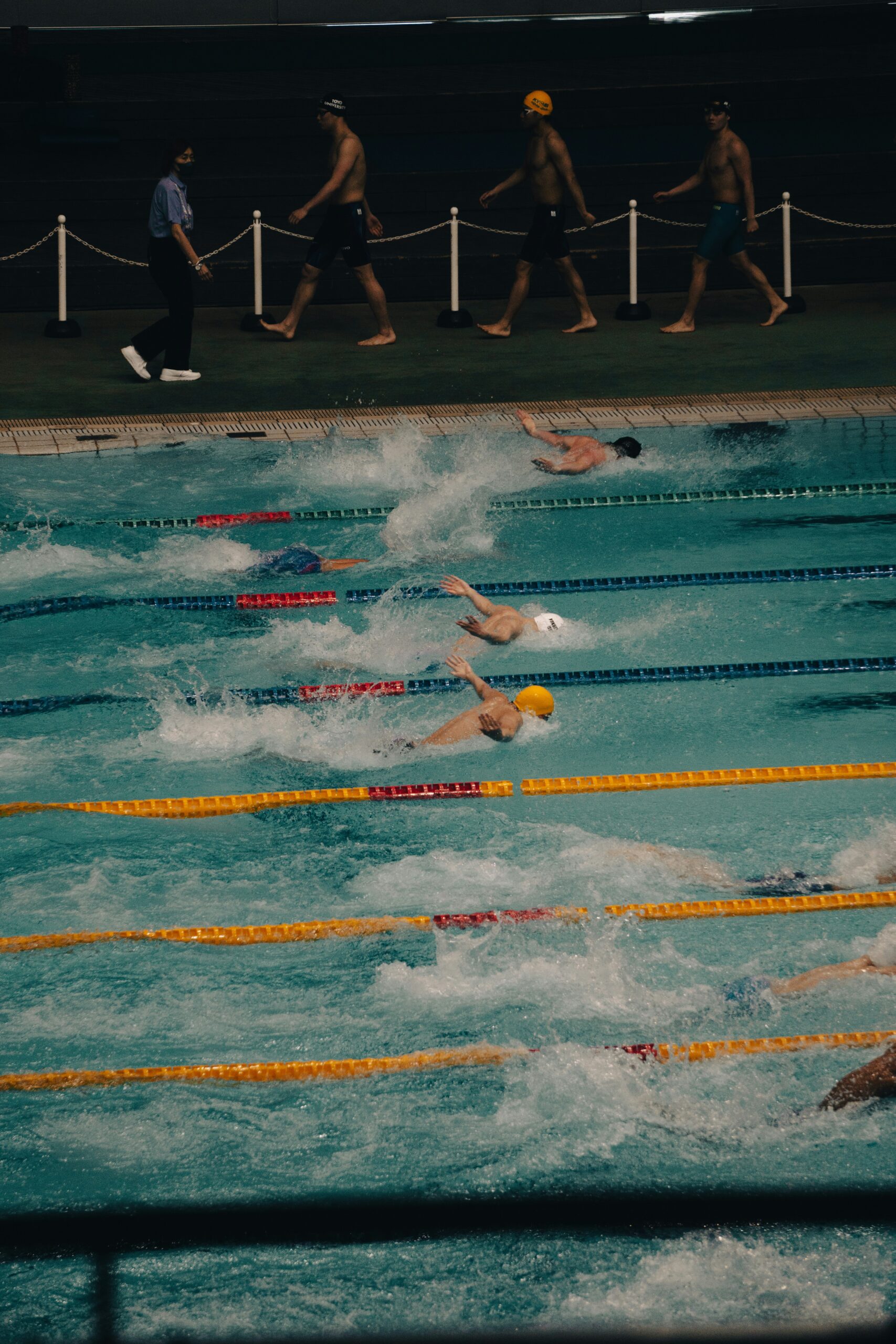
Billy’s dilemma is far from unique. Whether it’s a young gymnast staring at the balance beam before her routine, a soccer player stepping up for a penalty kick, or a swimmer hearing the official’s whistle as they climb the blocks for a final, the mental side can make or break an athlete’s success. It’s the hidden factor that often decides who thrives under pressure and who falters.
Mental performance isn’t just about “thinking positively.” It’s a blend of mindset, emotional regulation, resilience, and skillful focus. It’s the reason certain athletes seem unshakeable, even when the stakes are sky-high. They have trained their minds to respond instead of react, to remain steady in chaos.
As a mental performance consultant (MPC), I’ve witnessed transformations that begin the moment an athlete acknowledges: I need to train my mind just as much as my body. In my work with young athletes, parents, and coaches, I stress that focusing solely on physical conditioning without mental development is like trying to drive a car with a flat tire. You might move forward, but not at peak performance.
Setting the stage: My own story
Before diving into why mental performance truly matters, let me share a bit more about my path.
I spent my teenage years pushing my body to extremes in the swimming pool. Early morning practices, late-night meets, weekend travel. My parents cheered from the stands, and my coach told me I had potential, but nobody guided my mental game. Nobody taught me how to handle the stress, anxiety, or weight of high expectations.
I found myself at 16 years old, burnout creeping in, self-doubt gnawing at my core. I’d place second or third instead of first, underperforming in the finals despite clocking great times in the heats. My frustration boiled over, and I started blaming my body or my training schedule.
It wasn’t until I discovered sports psychology courses in college that I understood the power of mental skills. Visualization, self-talk, goal-setting, stress management — I felt like a lightbulb went on. That epiphany led me to pursue mental performance consulting as a career, dedicating myself to guiding athletes like Billy so they don’t have to learn these lessons the hard way.
Why mental performance is the missing link
We often see athletes perfect their stance, swing, or footwork. But how often do they train their focus under pressure? Practice resilience after failure? Establish mental routines that reinforce confidence?
Without proper mental training, athletes might:
- Freeze under pressure, allowing fear to overshadow skill.
- Lose focus in critical moments, letting minor distractions ruin a performance.
- Let mistakes shatter their confidence, spiralling into self-doubt.
- Struggle with motivation, especially after losses or plateaus.
- Burn out before reaching their true potential.
Meanwhile, mental performance training equips athletes with the psychological armour to handle adversity, maintain clarity, and remain steadfast in pursuit of excellence. It is the difference between someone who buckles under stress and someone who thrives.
The 6 reasons why mental performance matters
Below are six powerful benefits of mental performance training that highlight how it transforms athletes. We’ll explore each one with a story or research insight, illustrating why you, your child, or your players shouldn’t overlook this crucial aspect of sports.
1. Learn faster: Skill mastery through mental focus
Mentally prepared athletes absorb coaching cues more effectively. A sharp and focused mind is more receptive to instruction. Instead of daydreaming or dwelling on mistakes, a mentally trained athlete locks in on each new technique.
Billy discovered this firsthand when his coach introduced visualization. Instead of simply repeating his shot physically, Billy spent 10 minutes a day imagining the perfect follow-through, the puck’s trajectory, and the moment it hits the net. Studies show that athletes who blend mental imagery with physical practice learn new movements up to 46% faster.
Think about Michael Jordan, known for his clutch shots and rapid adaptation to opponents. Part of his success stemmed from constant mental rehearsals. He spent time visualizing game scenarios and focusing on precise execution. That enhanced focus allowed him to tweak his skill set at an incredible pace, pushing him to legendary status.
2. Communicate clearly: Building stronger connections
Team sports thrive on communication — both verbal and nonverbal. Athletes who manage their emotions and remain calm relay instructions more effectively to teammates. This clarity on the field or rink can be the difference between a seamless pass and a fumbled play.
A crucial part of mental performance is emotional regulation. When an athlete regulates frustration or excitement, they speak in a calmer tone, making it easier for teammates to trust and follow their lead. Think of Tom Brady, who, even in the tensest moments, keeps his voice steady, directions simple, and body language positive. That clarity under pressure fosters unity and synergy.
Billy noticed that once he learned techniques to manage his post-game frustration—like deliberate breathing—he could talk to teammates about strategies without letting emotions flare. He shared with them the importance of focusing on solutions instead of blame.
3. Feel better: Boosting emotional well-being
Sports can be emotionally draining. Months of training can end in a single missed shot or a poor race time. When athletes anchor their self-worth solely in results, motivation crumbles. Mental performance emphasizes resilience and self-compassion, helping athletes cope with losses in a healthier way.
Billy realized this after a devastating game loss. Instead of tearing himself down, he learned to view defeats as stepping stones. He practiced positive self-talk, reminding himself, “You’re growing.“ “Keep going”. This shift in perspective improved his mood and gave him fresh motivation.
Research suggests that athletes with robust mental skills experience less anxiety and more enjoyment in their sport (Weinberg & Gould, 2018). Emotional well-being also makes training more sustainable and prevents the dreaded burnout that ends many athletic careers prematurely.
Think of Michael Phelps, whose journey included public struggles with stress and anxiety. By integrating mindset techniques like visualization and structured self-talk, Phelps found renewed passion and resilience, ultimately breaking numerous world records.
4. Lock in for longer: Sustained focus under pressure
In sports, a momentary lapse in concentration changes the entire game. Mental skills enable athletes to stay in the present and block out irrelevant stimuli. This heightened focus ensures that muscle memory takes over and allows smooth, reflexive performance.
Serena Williams is a prime example. During a championship match, her focus seems impenetrable, even when the crowd roars or the scoreboard tightens. This unwavering presence comes from disciplined mental habits built over years of training. She learned how to compartmentalize distractions, re-center between points, and trust her body to execute what her mind envisions.
For Billy, the key to sustaining focus was a simple breathing routine before taking a shot. By exhaling slowly and envisioning the puck finding the net, he calmed his nerves. That small mental exercise helped him lock in on the mechanics, not the magnitude of the moment.
“Champions aren’t the most talented. They’re the most focused.”
5. Perform when it matters most: Thriving under pressure
The main difference between practice and competition is the pressure to perform on demand. Physically, an athlete might be primed, but the mental load can sabotage even the best-laid plans. Mental performance tools — such as arousal control, goal setting, and performance routines — empower athletes to use nerves constructively rather than allowing them to become debilitating.
Consider Simone Biles, who performs routines of breathtaking difficulty with a calm that seems almost surreal. She has spoken openly about her mental strategies, focusing on one element at a time and using keywords to maintain composure.
Billy learned that the nerves he felt weren’t the enemy. He reframed them as energy. By reminding himself that adrenaline was a sign of readiness, not fear, he could channel it into a quicker reaction time and sharper instincts. Soon, those critical last-second shots felt less overwhelming and more like an opportunity to shine.
“Mental performance is the difference between playing well and playing well when it matters.”
6. Live a meaningful life: Carrying skills beyond sports
The lessons from mental performance training don’t vanish once the final whistle blows or when an athlete ages out of competition. Confidence, resilience, focus, and motivation translate into relationships, academics, and careers. Athletes who master their minds carry those strengths into all facets of life.
A retired soccer player who has learned to handle stress under bright stadium lights finds it easier to navigate high-pressure corporate deadlines. An athlete who has dealt with losses graciously knows how to cope with personal challenges. A competitor who has learned emotional regulation can face everyday conflicts with a calm mind.
Billy, if he continues to refine his mental skills, will have a toolkit for job interviews, college exams, and any real-world challenges that test his endurance. He might look back at hockey as a training ground not just for athletic goals, but for a resilient, purposeful life.
The mind wins the game
Athletes can spend countless hours perfecting physical skills, but their full potential remains out of reach without equal attention to mental performance. Whether you’re an elite competitor or a weekend warrior, mental toughness and clarity form the foundation on which physical talent stands.
Billy’s story is a reminder that the mind can either be your biggest ally or your undoing in high-pressure moments. When he acknowledged that his mindset needed training, he opened the door to growth beyond his immediate slump. The same is true for anyone willing to learn and apply mental strategies.
Think back to my own experience as a swimmer. If I had started working with an MPC earlier, I might have shaved those crucial fractions of a second off my times. More importantly, I would have learned to handle setbacks with grace and turned failures into constructive fuel for improvement.
Why this matters for parents and coaches
Parents and coaches play a pivotal role in an athlete’s mental well-being. My personal journey as a swimmer taught me that youth athletes thrive when the adults in their lives prioritize connection, understanding, and empathy. If you see a child like Billy struggling with the weight of expectation, remember that the solution might not always be extra practice. It could be mental support.
- Listen deeply to your athlete’s struggles and validate their feelings.
- Encourage reflection by asking open-ended questions about their mental state during training or games.
- Provide resources such as mental performance workshops or one-on-one sessions with a certified consultant.
- Model resilience by staying calm under stress yourself. Children often mirror the emotional responses of the adults around them.
- Celebrate growth and mindset improvements, not just wins and stats.
If we, as adults, can see the child behind the athlete, we can foster a supportive environment that nurtures not just athletic success, but personal development and a lifelong love of sport.
Ready to transform your game?
Mental performance training is the missing piece for so many athletes. You don’t have to wait for a slump or a devastating loss to start. Starting today means building a solid mental foundation that will serve you for years to come.
If your child or your athlete needs support, we’re ready to help change their game — and their life. And if you’re an athlete or a CMPC, don’t worry. We can support you, too.
We’re dedicated to helping parents, coaches, and athletes build better relationships, healthier mindsets, and peak performance experiences that endure beyond any game or meet.