
What is mental performance? A 101 guide
Confused about the mental side of sport? Here’s a clear guide to what mental performance is and some example skills.

Picture this: An athlete looks sharp in practice all week. They’re making great decisions, playing freely, and performing how you know they can. Then competition rolls around, and something changes.
Suddenly, we see hesitation, rushing, and getting stuck. A mistake. Their confidence drops. Then mistakes become routine. Mistakes are like chips… hard to stop after one. Now it’s like watching a completely different person. This disconnect is one of the most frustrating parts of sport, because the ability is clearly there.
For athletes, this can feel confusing, scary, and discouraging. They know they are able, so why does it feel harder to perform when it matters most?
For parents and coaches, this can be just as confusing and upsetting. Most parents have seen this exact shift, and most don’t know why it happens. All this time practicing and so much improvement throughout the season, but it’s not showing up in competition.
That’s because sport doesn’t only test skill. It also tests how athletes respond to the demands, environment, expectations, pressure, nerves, mistakes, momentum swings, and every other curveball that comes with competition.
That part of sport is often called the “mental side.” Most people can see it matters. Fewer know how to define it. And even fewer know how to train it. This is where the conversation often gets oversimplified, which is why we’ve written a guide to what mental performance is and why it matters.
So, what is mental performance?
Mental performance is the cognitive, emotional, and behavioural side of sport that shapes how athletes prepare, focus, respond, communicate, and perform under pressure.
It shows up in moments like:
- What athletes think about before competition
- Where their attention goes during key moments
- How they respond after mistakes
- How they handle nerves
- How they behave when things get hard
A way to think about it is this: Mental performance determines whether an athlete can use their abilities when demands rise.
That matters because many so-called “performance problems” are not skill problems. Athletes know what to do and how to do it, but they struggle to execute when pressure rises, frustration kicks up, or confidence drops. This can often lead to their brain hosting a panel of unhelpful thoughts.
Mental performance lives and breathes in these high-pressure moments.
What falls under mental performance?
Mental performance includes more than most people think, but not everything belongs in it.
Mental performance is also often confused with mental health, but they’re not the same. Mental performance focuses on building mental tools and skills that increase mental capacity, while mental health refers to your general state of well-being.
More mental capacity helps people:
- Manage stress more effectively
- Recognize challenges earlier
- Apply coping skills more consistently
- Communicate needs more clearly
- Stay engaged in growth, even when things are hard
What are mental tools and skills?
Tools? Skills? What’s the difference? This, in my opinion, is one of the most important distinctions within the topic of mental performance.
Mental tools are the strategies athletes use. Mental skills are the qualities they’re trying to build.
Some examples of mental tools are:
- Breathing
- Self-talk
- Cue words
- Imagery
- Reset plans
- Routines
- Journalling
Which lead to mental skills like:
- Self-awareness (linked to emotional intelligence)
- Emotional regulation (also linked to emotional intelligence)
- Arousal regulation (activation)
- Attentional control (focus)
- Goal setting
- Self-confidence
- Communicating effectively
The simplest way to understand it is that tools are strategies, and skills are the competencies or outcomes they produce.
This distinction matters because athletes (or their coaches) will often say they want more confidence or better focus. And these are great things to want! But confidence and focus aren’t things you can just go out and acquire out of thin air. They’re developed through repeated use of tools over time.
Now, not every tool works equally well for every athlete in every situation. However, the fact that we have tools that do work means that the mental side of sport is trainable. And it deserves more attention than it typically gets.
Mental performance skill examples
Here are some mental performance skills that are built over time, with the right tools and consistent efforts.
Self-awareness
Self-awareness is a foundational mental skill. It’s the ability to notice what’s happening inside you and recognize how it’s affecting your performance. Think of it as the mirror for your mind.
Sometimes an athlete is playing tentatively and can’t fully explain why. They just know they feel off. Self-awareness is what helps them notice that after one mistake, their thoughts steer toward not messing up again, their muscles tighten, and they stop communicating. This is critical because once they can see the pattern, they can change it. It’s hard to change something we can’t see.
Self-aware athletes can quickly notice patterns that are helpful or unhelpful for performance. Then, they can work on what they’d like to change.
Emotional regulation
Emotional regulation is what allows you to change “emotional rollercoasters” into “emotional car rides.” What I mean by this is that if we allow our emotions to run completely free, it can feel like riding a rollercoaster: lots of ups, downs, twists, and turns that we can’t control. However, with emotional regulation, it can be a bit more like driving a car. You decide the speed, the route, and how to navigate surprises.
Imagine a basketball player who gets called for a foul they strongly disagree with. Their first reaction might be frustration, embarrassment, or anger. Emotional regulation is what allows them to feel that reaction without spending the next two possessions arguing with the ref (which never works), forcing shots, or mentally replaying the call in their head. Instead, they can regain control and steer themselves in another direction.
Emotionally regulated athletes still feel emotions, but don’t let them run the show.
Arousal regulation (activation)
Arousal regulation is the ability to manage your level of activation so it matches the demands of the moment. Too much can lead to rushing, tension, choking or poor decisions. Too little can lead to being slow and a lack of focus. In simple terms, it’s about finding the level of intensity that helps you perform, not just feel a certain way. c
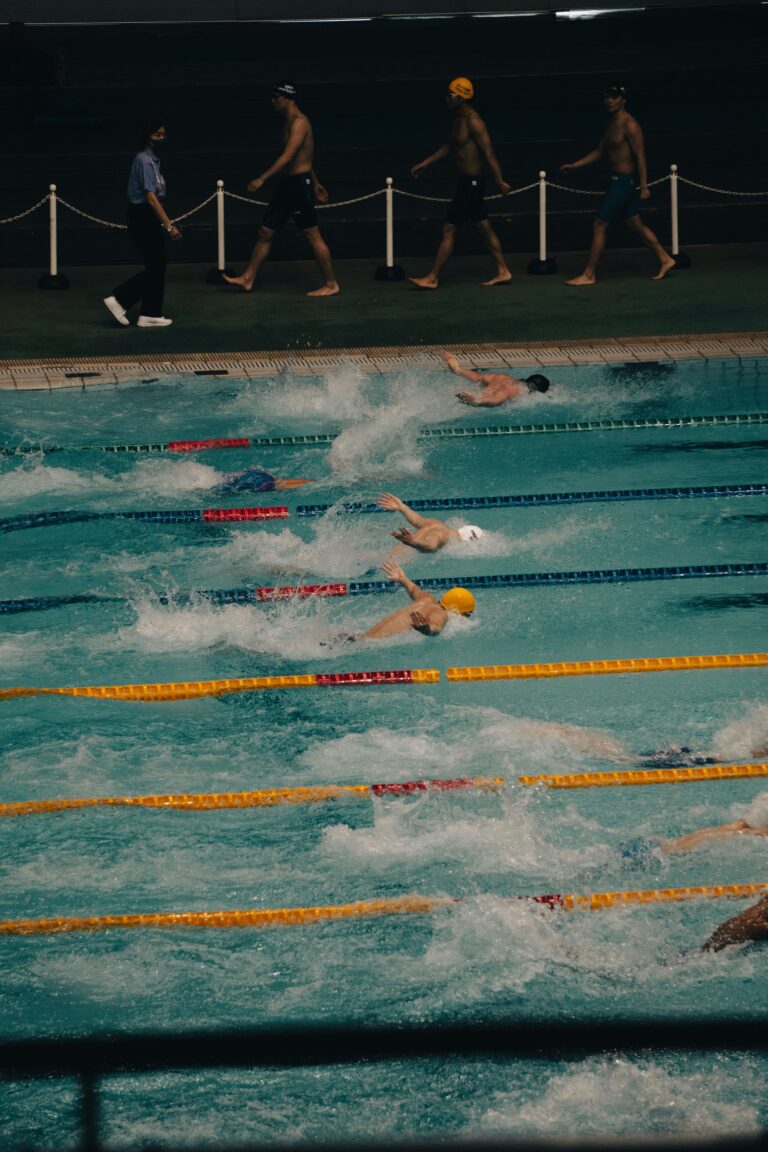
This shows up constantly in sport. Think of a swimmer stepping onto the blocks before a race. If they’re too amped up, they might rush their start, tighten up, or burn energy too early. If they’re too relaxed, they might come out flat and struggle to match the pace of the race. The goal isn’t to eliminate nerves: it’s to regulate them.
The same applies across sports. A hockey player might need higher activation to be physical and engaged. A golfer or free-throw shooter might need lower activation to stay precise and controlled. The “right” level depends on the task. Think of this as knowing when to hit the gas and when to hit the brakes.
A key point here is that emotions and energy are not the enemy. The goal isn’t to feel calm all the time. It’s to be in a state that supports performance.
Attentional control (focus)
Focus is the ability to focus on the right thing at the right time. That also includes noticing when your attention drifts and bringing it back to what matters most.
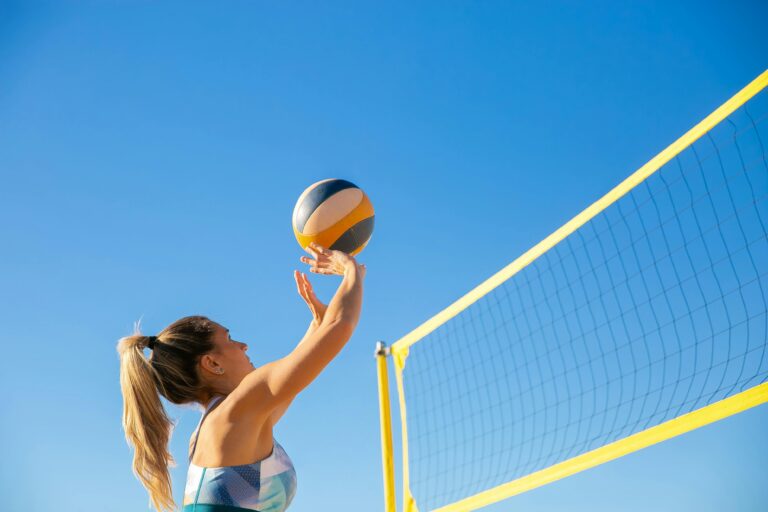
In sport, this shows up constantly. Take a volleyball athlete who misses a serve in a close set. As they get ready for the next point, their mind starts bouncing between the mistake, the score, and the fear of doing it again. Focus is the ability to catch that drift and bring attention back to what matters, whether that’s their defensive base, their blocking assignment, or the hitter in front of them.
Focus is great, but let’s get something straight: A focused athlete isn’t someone who never gets distracted (we aren’t robots). Again, it’s someone who can return their attention to the right place quickly enough that the distraction doesn’t have a large impact on performance.
Goal setting
Goal setting helps athletes direct their attention, effort, and motivation over time.
Effective goals aren’t just about outcomes like winning or making a team. They also include performance goals that are milestones or standards and process goals that focus on behaviours within the athlete’s control.
For example, instead of “score more points,” a process goal might be “move my feet early and communicate every play.” That gives the athlete something clear to execute.
Good goal setting balances all three but prioritizes process goals in daily training and competition.
You may have heard of SMART goals. While they can be useful in some contexts, they often fall short in sport because they don’t always reflect how dynamic and unpredictable performance environments are.
Strong goal setting in sport is less about rigid structure and more about clarity, adaptability, and alignment with performance demands.
Self-confidence
Confidence isn’t just “feeling good” about yourself. In sport, confidence is about believing you can do what’s necessary to perform and find success.
It shows up in moments like a basketball player stepping up to the free-throw line late in the game and believing they can execute the same shot they’ve practiced hundreds of times. It shows up in a volleyball player who receives a hard serve and still trusts they can pass the next ball well, rather than bracing for a mistake. It shows up in a soccer player who misses one chance but still believes they can finish the next one when the opportunity comes again.
A confident athlete isn’t someone who feels perfect. It’s someone who believes they can meet the demands of the moment well enough to keep competing with trust and commitment. It’s also not something athletes can develop just by being told to “be confident.”
Communication effectively
Communication is the ability to share the right message at the right time in a way that helps performance. (Easier said than done.)
Imagine a team that loses a few points in a row. It starts to feel like a family dinner where an uncle said the wrong thing: tensions rise, frustration builds, and people start getting quieter. We’ve all been there, wondering what to do. Well, communication is one possible solution.
Communication is what allows an athlete to stay clear and useful in that moment, whether that means calling their next task, giving a teammate a quick reminder, or offering support that helps the group reset instead of unravel.
A strong communicator is someone who can say what needs to be said when the moment needs it.
Why mental performance matters so much in sport
Mental performance matters so much in sport because it’s not a controlled environment. And yet, it’s often treated like one. If that were the case, half the fun of sport would disappear, and parents’ blood pressure in the stands would improve considerably.
A lot of athletes are told what to do mentally, but not how to do it. They hear things like:
- “Relax.”
- “Focus.”
- “Reset.”
- “Be confident.”
- “Stay positive”
Useful goals? For sure! Clear instructions on how to achieve those goals? Not so much. It’s a bit like telling someone to “cook better” and then handing them a frying pan and your best wishes.
Mental performance matters because it gives athletes something more useful than slogans or one-off instructions. It gives them a way to understand what is happening and the tools to improve.
The fact of the matter is that sport happens in fast, emotional, uncertain environments. The score changes. Mistakes get made. We start thinking about expectations. So, athletes have to make decisions while tired, frustrated, nervous, or under pressure.
The very field of mental performance exists because of the influence those demands have on how people perform. It’s also the reason why two athletes with similar technical skills can look very different in competition. That difference matters because attention, emotion, confidence, and decision-making all shape behaviour. And, behaviour is what shows up when we perform.
Can mental performance be trained?
The short answer: Yes. And it can be trained the same way as the technical and tactical parts are trained.
We know outcomes aren’t instant, and it’s not always a straight path. But yes, you can train your mental performance!
This isn’t something athletes either have or don’t have. It’s a set of tools and skills that can be developed through practice. And it can be trained the same way as other parts of performance: through repetition, reflection, feedback, and application.
Sport for Life’s long-term development model clearly includes mental and emotional development as part of athlete development. This matters because it means mental performance isn’t fixed.
How to train mental performance
Developing mental skills might look like:
- Practicing a reset routine after errors
- Using self-talk before a serve, race, or free throw
- Noticing stress signals before they take over our decisions
- Using imagery to imagine what you want to do
- Reflecting after training, so lessons are carried forward
Don’t be fooled: athletes generally don’t improve because they heard one good idea. They improve by practicing these strategies until they become easier to use in competition. Not occasionally, but consistently enough that they hold up when it matters.
If you’re reading this and thinking to yourself, “How do I as a coach (or parent) teach it consistently enough that it’ll make a difference?” You’re asking the right question. You can take a look at our curriculum, which is designed with this very idea in mind.
What mental performance is not
Mental performance isn’t magic.
It also doesn’t guarantee winning. It doesn’t mean you’ll turn into a robot that never feels nerves again. It doesn’t mean that you’ll always be calm, confident, and laser-focused.
Not only that, but mental performance isn’t just for athletes who are struggling. Some of my favourite work is done with athletes who are currently doing really well. It means we can start to figure out what’s allowing things to go well and make that state as repeatable as possible.
Lastly, it’s not separate from physical, technical, and tactical performance. Mental performance interacts with the other pillars of performance, which is why our curriculum is built into the training environment. What better place to practice mental performance than in the environment where you’ll be using the mental tools?
The simplest way to think about it:
Mental performance shapes how athletes respond when situations become challenging, emotional, or uncertain. It influences whether athletes can use their abilities when competition demands rise.
If physical training helps athletes prepare their bodies, mental performance helps athletes prepare how they respond.
Sport keeps asking athletes difficult questions. Mental performance helps them build better answers.
Let Build Better Humans make this practical
If this article resonated, the next question is usually, “Okay, so how do we actually build this?”
At Build Better Humans, we help teams, organizations, and athletes make mental performance practical.
Many athletes are expected to figure this out on their own. That approach is inconsistent and often ineffective. Our goal is to make mental performance something that is trained, not assumed. Because when it’s left to chance, athletes are the ones who pay for it.
For teams and organizations, you can explore our curriculum, which helps coaches, athletes, and parents build a shared language and develop these skills consistently throughout a season.
For athletes and families, it can look like individualized support focused on tools that actually transfer into practice and competition.
If your next question is not about the concept but about the professional side (e.g., who is actually qualified to help athletes with this?), check out our article, “What is a Certified Mental Performance Consultant (CMPC)?”
The next useful step isn’t just understanding that mental performance matters. It’s building a way to develop it purposefully.