The current state of teen girls and sport
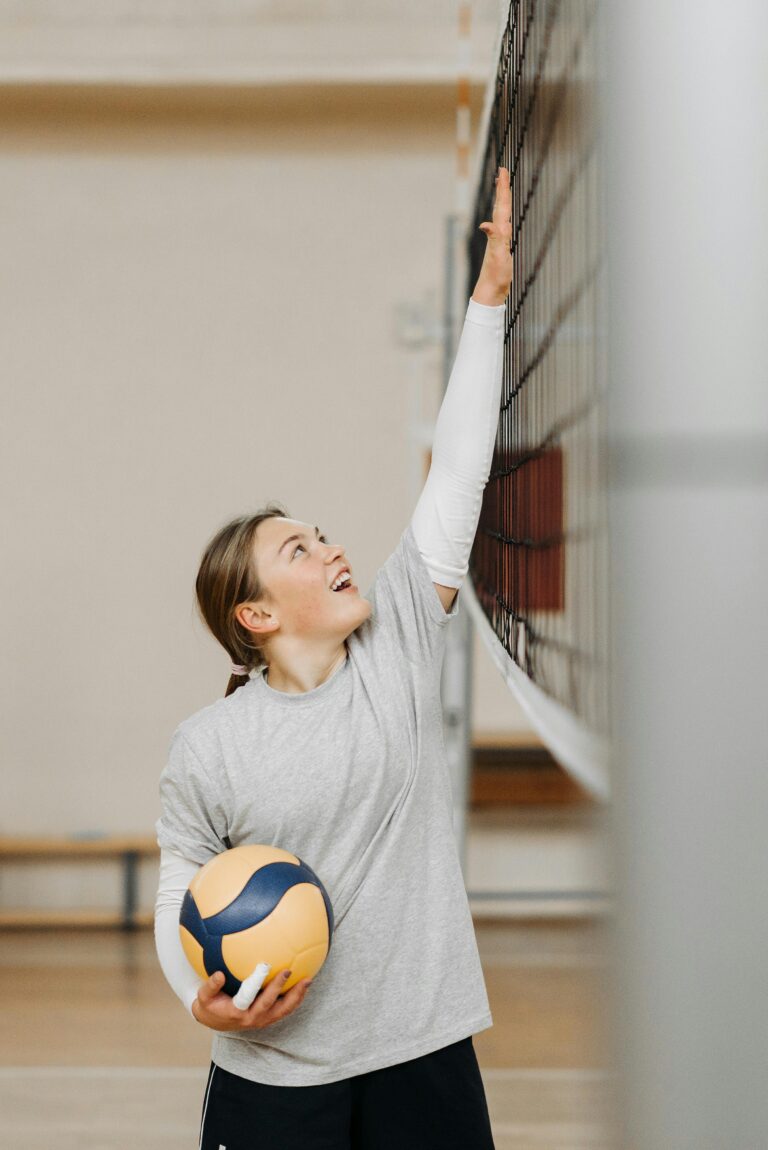
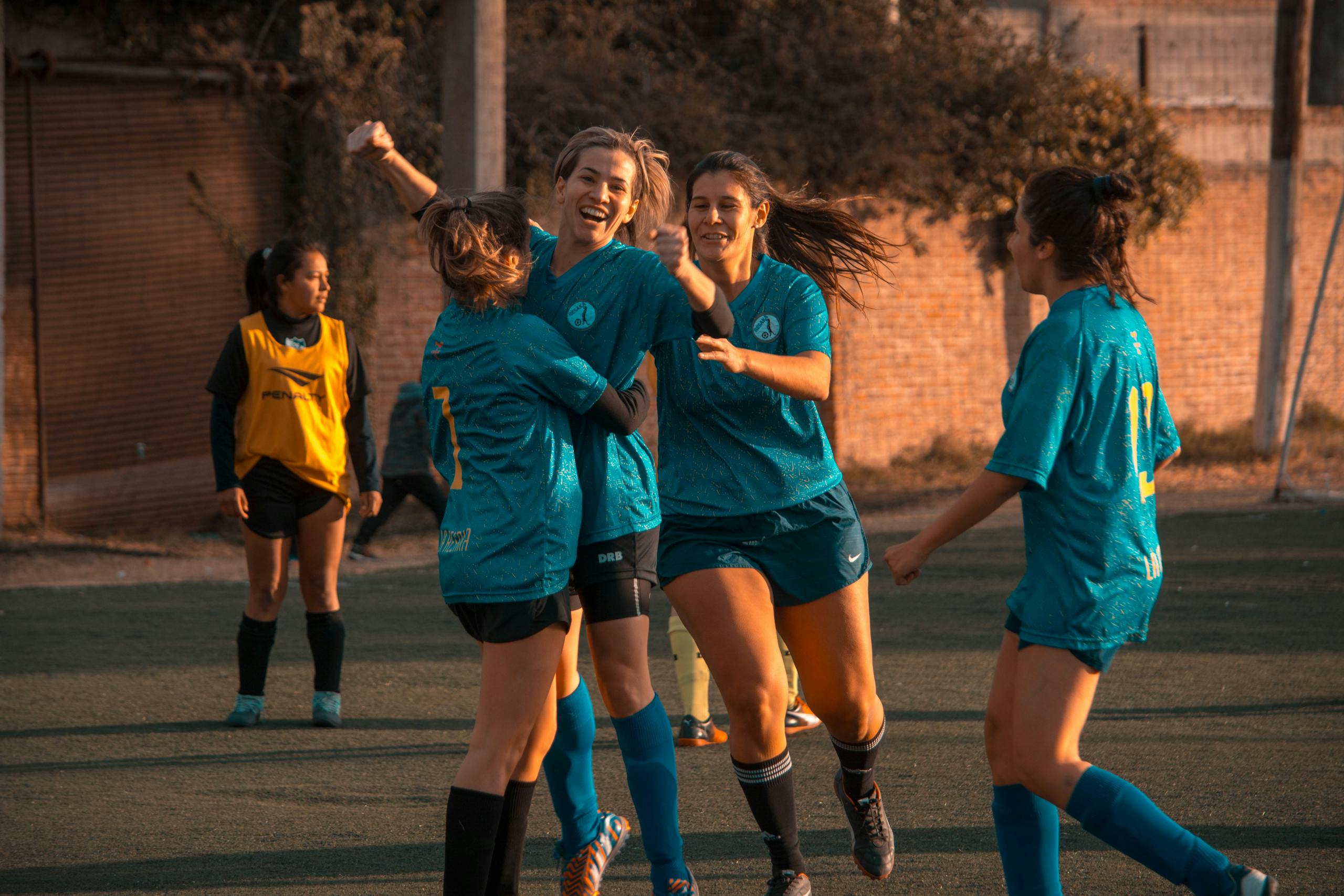
There’s a crisis in women’s sports, and it’s the disengagement of teenage girls.

There’s a crisis in women’s sports, and it’s the disengagement of teenage girls.
By the age of 14, twice as many girls have left sport compared to boys. And by 16, half of Canadian girls are missing out on sport, despite a Women and Sport survey finding that 4 in 10 girls are more interested than ever in having opportunities to play and participate.
A 2022 study by Sport England found that 71% of boys aged 11-16 participate in team sports, compared with only 55% of girls in the same age bracket. Boys also find it easier to motivate themselves (67%) and enjoy physical activity (44%) more than girls (47% and 27%, respectively).
So what’s stopping girls from participating in sport, and how do we fix it?
The numbers behind girls’ participation in sport
The same Sport England study found that 43% of teen girls (aged 11-18), would say they “used to be sporty,” compared to only 24% of boys. That means almost twice as many girls see sport as something of their past. Of these girls, 88% say that sport and exercise had changed since primary school, whether it was because sport became less fun, a lower priority, or just no longer important.
So what’s happening? While there’s no singular cause, these are some of the common reasons engagement with sport is lower:
- Body image concerns: Regardless of gender, most children are out of sport by the time they’re 13, with research showing that body image is a significant determinant. This generally coincides with puberty or major changes in body composition, which can impact self-esteem and confidence levels.
- Voyeurism concerns: Girls are more likely to avoid sport because they don’t want to be watched (65% of girls compared to 44% of boys). Part of this is likely linked to their changing bodies, but could also be due to greater social awareness.
- Menstruation concerns: About 70% avoid sport when on their period, with 73% of those girls citing pain as the main reason. Being in pain and unsure they can communicate it with coaches or team members could cause shame and discomfort that lead to withdrawal.
- Equity concerns: Girls are also significantly less likely to participate in sport if they’re part of a marginalized group. According to Rally Sport, the numbers are lower for racialized girls (59%), girls with disabilities (57%), or girls from lower-income households (52%) than the average (63%).
Why sport matters for teen girls, specifically
Everyone benefits from sport — at every age.
But the 2024 Rally Report, conducted by Canadian Women & Sport, found that girls don’t just participate less in sport — they participate less in almost all types of exercise and physical activity (which are different!) than boys do. (The exceptions in sport are gymnastics, swimming, dance, and other individual organized sports.) Research has also found that participation in youth sport leads to greater physical activity in adulthood. That means setting girls up to stay and succeed in sport sets them up for a healthier adulthood, too.
Here are some other reasons cited by UN Women that explain why girls, in particular, benefit from staying involved in sport and being physically active:
- Greater professional success: An EY survey found that 80% of female Fortune 500 CEOs played sports growing up, and a Deloitte report found that 85% of respondents cited sports as crucial to developing skills that contributed to professional success. The skills that women and girls can learn through sport stick with them for life.
- Confidence battles anxiety: Between the ages of 8 and 14, girls’ confidence drops by 30%. But research has shown that coach-athlete relationships can enhance an athlete’s confidence and well-being, and that self-defeating patterns of perfectionism, anxiety, and poor sport performance can be countered with self-confidence. Sport can help girls navigate the stress of puberty and stay confident into their teen and adult years.
- Healthier relationships with their bodies: Research shows that physical activity can promote a positive body image. Although this contradicts the idea that girls are leaving sport because of body image concerns, it does highlight the potential for sport to actually address these issues. Having an emphasis on athletics and ability, not appearance, has the potential to lead to healthier body image.
Competitive sport still appeals to girls. And the same Rally Report found that the number of girls aged 6-18 participating in sport each week has increased to 63%. Hope is not lost! We just need to make sure we’re fuelling the cause.
Let’s dig deeper into improving the current state of women and sport
While there are major strides being made in engagement, there’s always more to do. We wrote a full guide on how to keep teen girls engaged in sport, but here are some highlights of that article for you to consider:
- Get women on screen
Canadian research shows that men’s sport dominates media coverage at 90%. Going out of your way to watch women’s sports not only supports the industry but also gives young women the chance to see themselves on the screen.
Let’s start by looking at hockey. According to CBC, of the most-watched moments of the 2026 Winter Olympics in Milan, eight were hockey games — five men’s, and three women’s. A record-breaking 4.22 million viewers watched the end of the women’s hockey gold medal game. And in the U.S., almost 2 million more viewers tuned in to Milan’s gold medal game than the 2022 Beijing Games or the 2018 PyeongChang Games. Reports claim that it was the most-watched women’s hockey game of all time.
Some of that influence might be thanks to the Professional Women’s Hockey League (PWHL), launched in the summer of 2023, which is attracting thousands of fans to each game.
And what about the Women’s National Basketball Association (WNBA)? In 2025, they had their most-watched regular season on ESPN networks, with nearly double the viewership of the National Hockey League (NHL).
The proof is right there: Viewers are hungry for women’s sports. And the more that girls see themselves in athletes on screen, on Olympic podiums, and online, the stronger their understanding of how powerful they can be.
- Get women on social media feeds
Professional female athletes are seen as impactful role models for younger women. And we’re seeing greater and greater visibility: female athletes have 14% larger followings than male athletes. From Serena Williams in a Nike ad to your hometown hero, there’s a benefit to centring women in your social media feeds.
- Get women on the sidelines
There’s also a female coaching crisis. Only 13% of coaches at the Tokyo 2020 Olympics were women. If you can, encourage women in your community to volunteer or work as coaches, administrators, or executives for sports organizations in your community. It’s important that girls know they have women they can count on.
Moreover, with 7 in 10 girls citing menstrual pain and almost 6 in 10 having body image as a general deterrent to participating in sport, it’s more important than ever that these athletes have a person they feel confident they can speak to.
It’s bad enough to be learning what it’s like to have a period before you’re talking to your male coach — who might be your best friend’s dad — about why you’re having an off day.
Need more support? We’re ready to help
Being an athlete’s parent is hard. You might be up before the sun to get to practice, juggling shifts to attend games, and trying to keep up with the pressure you know your child feels.
And for coaches, there’s no secret formula to balance discipline and performance with a love of the game.
Helping teen girls in sport is more important than ever. Luckily, Build Better Humans can help. We’re no strangers to the pressures surrounding sport — but we’re equipped to help you navigate it.
Whether you’re a parent, a coach, or an athlete who needs a boost, there’s something we can do for you. Reach out today to schedule a call.
Let’s see what we can do together.